
Tuition fees in the UAE have been steadily increasing, affecting countless O-level students and their families. Understanding why these fees continue to rise is essential for anyone planning higher education in the UAE. Multiple economic, institutional, and social factors contribute to this upward trend.
Inflation and growing operational costs are two major drivers. The rising demand for high-quality, globally recognized education further fuels tuition fee increases. Since most universities in the UAE are private, tuition fees naturally sit higher than in countries with predominantly public institutions.
Additionally, the UAE’s high cost of living adds another layer of financial pressure on students. Although scholarships and financial aid do exist, they rarely cover the full cost. International students often face even higher tuition rates, which can discourage some from selecting the UAE as a study destination.
This blog will help you explore the reasons for the increase in tuition fees in the UAE, find alternatives, such as e-learning, studying abroad, or leveraging flexible payment plans. If you are confused about A-level schools in the UAE or O-level schools in Dubai, VACE Global has got you covered with every relevant detail.
The Overview of Tuition Fees in the UAE:
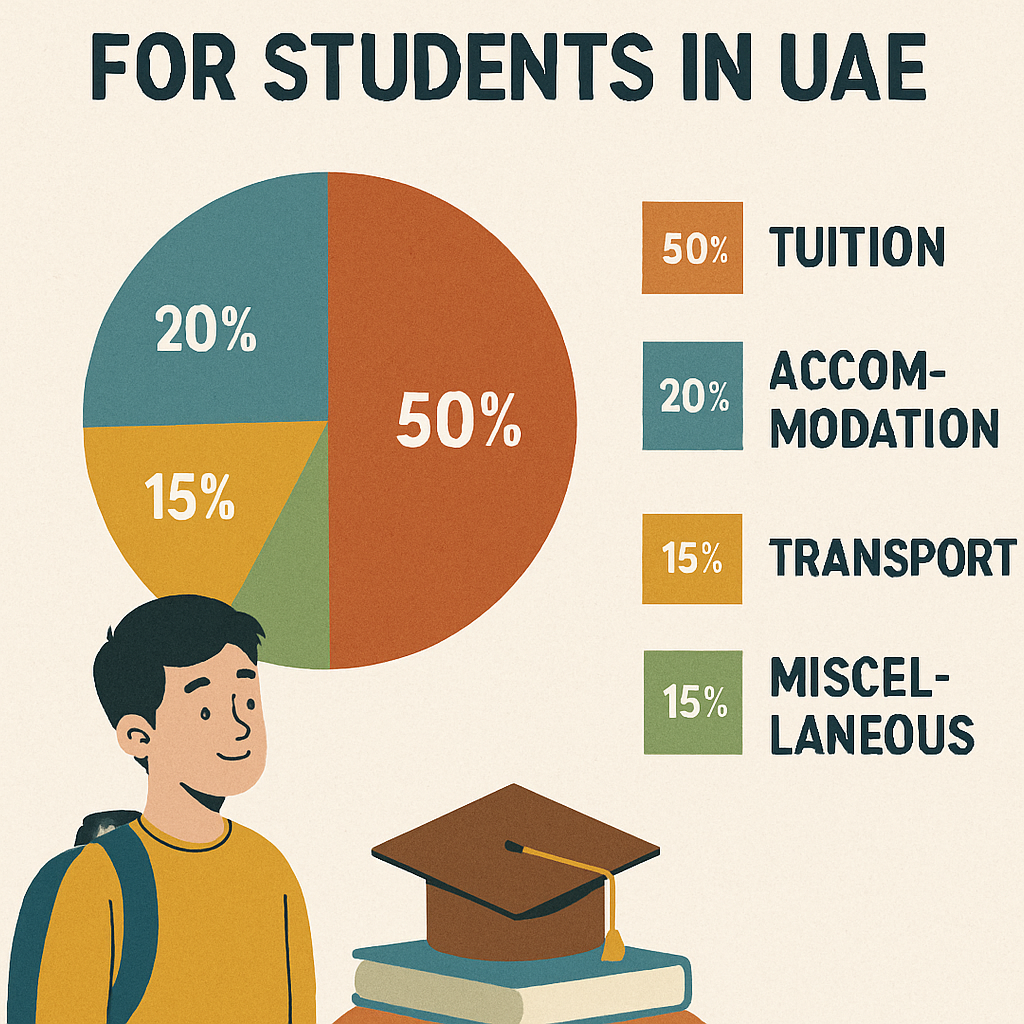
Over recent years, tuition fees in the UAE have clearly risen. Educational institutions regularly adjust their fee structures in response to economic factors and rising operational demands.
Private universities typically lead with higher tuition fees due to their advanced facilities, international faculty, and global reputation. Public universities, while more affordable, remain highly competitive and still represent a significant financial commitment for students.
Beyond tuition fees, a student’s total educational costs include living expenses, books, supplies, and transportation, all of which often add up more than expected.
Main Education-Related Expenses:
- Tuition Fees: Often the highest cost.
- Accommodation: Varies widely by location and type.
- Books and Supplies: Necessary but frequently underestimated.
- Transportation: Daily commuting expenses.
- Miscellaneous Costs: Food, clothing, utilities, and entertainment.
Historical Trends: Tuition Prices Over the Past Decade:

Tuition fees in the UAE have consistently increased over the last ten years. Economic factors, such as inflation, facility upgrades, and student demand, have driven these changes.
Certain periods saw sharper increases, while others experienced stabilization due to economic conditions or government interventions.
Tuition Fee Patterns (2013–2023):
- 2013–2015: Moderate increases aligned with inflation.
- 2016–2018: More noticeable hikes due to economic shifts.
- 2019–2021: Stabilization during regional economic slowdowns.
- 2022–2023: Renewed increases tied to post-pandemic recovery.
Private institutions show the steepest increases, while public universities attempt to keep tuition fees more stable.
Key Factors Driving the Increase in Tuition Prices:
Several major elements influence rising tuition fees in the UAE:
1. Inflation and Cost of Living
As the cost of living rises, universities adjust fees to maintain operations.
2. Operational and Infrastructure Costs
Institutions invest heavily in new buildings, advanced technologies, labs, and digital systems.
3. Demand for High-Quality Education
Parents and students seek internationally accredited programs, modern facilities, and strong career outcomes, which raise institutional expenses.
4. Private University Policies
With many UAE universities being private, tuition fees is a major revenue source for sustaining and expanding programs.
5. Competition Among Universities
To attract top students, institutions enhance facilities, research labs, and faculty, which eventually raises tuition.
These interconnected factors shape the evolving tuition landscape.
Private vs. Public Institutions: A Cost Comparison
The UAE’s higher education sector is split between private and public institutions, with significant differences in cost.
Private Universities
- Generally charge higher tuition fees.
- Offer modern facilities and diverse program options.
- Have extensive international partnerships.
- Appeal to students seeking global exposure and advanced resources.
Public Universities
- More affordable due to government support.
- Highly competitive admission.
- Fewer program options compared to private institutions.
Students must weigh long-term benefits, academic preferences, and financial limitations before choosing between the two.
The Impact on Students in the UAE and Their Families:
Rising tuition fees have a profound impact on students and families. Many face financial strains, affecting their education choices.
- Paying high tuition fees can lead to increased family debt.
- For some, the cost affects educational opportunities. Students from lower-income families may need scholarships. Others might work part-time to fund their studies, which can impact their academic performance.
- High tuition prices can lead to difficult decisions. Families might prioritize education over other financial goals. Sacrifices might include less savings or delayed major purchases.
- Students often contend with psychological stress due to financial pressure. Balancing academics and financial concerns can be overwhelming. This stress can affect both mental health and academic outcomes.
Common effects on students and families include:
- Financial strain and increased debt.
- Limited educational opportunities.
- Need for part-time work.
- Increased stress and mental health concerns.
Ultimately, the rising tuition fees require serious planning. Families need to consider long-term financial impacts. Exploring financial aid and scholarships becomes crucial. The economic burden necessitates careful preparation and informed choices.
International Students: Tuition Fees and Challenges
International students often face higher tuition fees in the UAE. These prices can be significantly more than those for local students, adding financial strain.
Managing these fees requires careful budgeting. Many international students rely on family support. Others might need part-time jobs, adding to their time management challenges.
The cost is not the only hurdle. International students also navigate visa requirements and cultural adjustments. These additional challenges compound financial pressures.
Common challenges for international students include:
- Higher tuition fees than for local students.
- Visa and residency requirements.
- Cultural and language barriers.
- Limited access to local financial aid.
Despite these challenges, many are drawn to the UAE’s diverse educational environment. The promise of quality education and global networks makes the effort worthwhile. However, careful financial planning is essential for success.
Scholarships, Financial Aid, and Payment Plans:
Scholarships and financial aid are crucial for many students in the UAE. They help ease the burden of rising tuition fees. However, they are not always sufficient to cover all costs.
Many universities offer diverse scholarship programs. These can be merit-based or need-based. Scholarships often require maintaining a certain academic standing.
Financial aid options, though available, can be limited. Students must meet specific criteria to qualify. This sometimes excludes a significant number of potential beneficiaries.
To ease payment burdens, some universities introduce flexible payment plans. These allow families to spread payments over time. This can make managing tuition costs more feasible.
Common financial support options include:
- Merit-based scholarships.
- Need-based scholarships.
- Limited financial aid grants.
- Flexible tuition payment plans.
Despite available assistance, there is a growing need for broader aid programs. Many students still struggle with tuition prices. Enhanced financial support could enable more students to access quality education without undue financial stress.
The Role of Cost of Living in Overall Education Expenses
The cost of living in the UAE significantly impacts overall education expenses. Students must budget for housing, food, transportation, and other necessities. These additional costs can quickly escalate.
Urban areas, especially Dubai and Abu Dhabi, have higher living expenses. This adds pressure on students and families. Rent alone can account for a large portion of monthly expenses.
To manage these costs, students often seek roommates or opt for shared accommodations. Living outside major city centers can also reduce expenses. Proactive planning and budgeting are crucial.
Key living expenses include:
- Accommodation
- Food and groceries
- Transportation
- Utilities and internet
The cumulative effect of high living expenses and tuition fees can strain finances. Therefore, students need comprehensive financial strategies. Understanding these costs is crucial to managing education-related expenses in the UAE effectively.
Alternatives and Solutions: E-Learning, Overseas Study, and Policy Changes
As tuition prices in the UAE continue to rise, students explore alternatives like e-learning. Online courses offer flexibility and often come with lower costs. They also eliminate expenses related to commuting and accommodation.
Studying abroad is another avenue for students seeking affordable education. Some countries offer quality higher education at competitive prices. These options appeal particularly to those looking for diverse cultural experiences.
There are trustworthy and best platforms for the O/A-level students that offer Online tutoring for O/A-level in the UAE. The best one of them and the most trusted one is VACE Global.
Policy changes could play a significant role in addressing rising tuition fees. Collaboration between government bodies and educational institutions is crucial. Transparent fee structures and regulatory measures can help curb unjustified increases.
There are several potential solutions:
- Expanding financial aid and scholarships
- Promoting hybrid learning options
- Encouraging international academic partnerships
- Implementing government-subsidized tuition programs
With the right strategies, stakeholders can ensure education remains accessible. Students and parents must stay informed about available options. Adapting to new learning models and exploring financial aid can ease the burden of rising costs.
Future Outlook: Tuition Prices and the UAE’s Education Sector
The trajectory of tuition fees in the UAE remains a topic of keen interest. Market dynamics and government policies will heavily influence future trends. Sustainable strategies must be pursued to ensure education affordability.
Future projections indicate a continued rise in tuition fees. However, institutions may adopt innovative approaches to manage costs. Technology integration into curricula and administration is one such avenue.
The UAE aims to solidify its status as a global education hub. Balancing quality education with cost-effectiveness is crucial for this goal. Policymakers are expected to devise regulations that balance competitiveness with accessibility.
Proposed future strategies might include:
- Expanding digital learning platforms
- Encouraging public-private educational partnerships
- Investing in educational infrastructure
- Enacting student-friendly financial policies
The evolving educational landscape will demand adaptability from all parties involved. Students, parents, and educators will need to navigate these changes strategically. Keeping informed and prepared is key to making the most of upcoming opportunities.
Conclusion: Navigating Rising Tuition Fees in the UAE
Rising tuition fees in the UAE present significant challenges to students and families. These costs require careful financial planning and strategic decision-making. Access to quality education should remain a top priority despite increasing prices.
Exploring scholarships, financial aid, and alternative educational paths offers valuable support. Staying informed about policy changes and leveraging available resources is crucial. By taking proactive steps, students can better manage their financial burden. This approach ensures that educational aspirations remain attainable in the face of economic pressures.
How VACE Global Supports O/A-Level Students in the UAE:
In response to rising educational costs, VACE Global offers a reliable, affordable, and high-quality alternative for UAE families seeking world-class O-Level and A-Level tutoring. Our platform is designed to provide premium education without the premium price tag.
- Expert Faculty: Students learn from highly qualified teachers with years of Cambridge experience, ensuring strong subject understanding and exam-ready preparation.
- Merit-Based Scholarships: VACE Global provides merit-based scholarships to deserving UAE students, helping reduce financial strain while ensuring access to quality education.
- Flexible Short Courses: From exam revision boot camps to topic-wise crash courses, our short courses help students strengthen weak areas without committing to high-cost, long-term programs.
- Affordable Online Classes: Our O/A-Level programs offer exceptional value, making quality education accessible even for families managing the pressure of rising tuition fees.
- Easy Enrollment Process: Students can enroll now with a smooth registration system that saves time, effort, and money, making quality learning just a click away.
Your Success Starts Today — Take the Smart Step
Don’t let rising tuition fees limit your child’s potential. Join VACE Global today and secure high-quality, affordable O/A-Level education designed for UAE students.
Frequently Asked Questions (FAQs)
1. Why are tuition fees increasing in the UAE?
Tuition fees are rising due to inflation, operational costs, infrastructure upgrades, and growing demand for high-quality education. Private universities—common in the UAE—also naturally charge higher fees.
2. Are public universities cheaper than private ones in the UAE?
Yes. Public universities generally offer more affordable tuition because of government support. However, admission is highly competitive.
3. Do international students pay more tuition than local students?
In most universities, yes. International students often face higher tuition rates and additional expenses such as visa fees.
4. Are scholarships available for students in the UAE?
Yes. Students can apply for merit-based or need-based scholarships. Many universities also offer partial grants and payment plans, although these rarely cover the full cost.
5. How can students reduce their overall education expenses?
Students can explore options like shared accommodation, e-learning, studying abroad, applying for scholarships, using installment plans, and choosing universities outside major cities.