
Choosing A-Level subjects after O Levels is not always straightforward, especially when it comes to English. The difficulty level between choosing A-level English Language vs Literature is immense. Many students assume A-Level English Language and A-Level English Literature are similar because of the name. In reality, they are two distinct subjects that require different skills, study styles, and interests.
Every year, students pick the wrong one, struggle through the year, lose confidence, and end up blaming themselves when the issue was simply a mismatch between the subject and their natural strengths.
If you are confused between A-Level English Language vs Literature, this guide will help you clearly understand the difference, the paper style, the skills required, and how to choose the one that suits you best.
Key Takeaway:
- English Language and Literature are entirely different in skills, content, and exam style.
- Choose based on your strength: writing → Language, reading & interpretation → Literature.
- Language relies on analysis and writing; Literature relies on texts, essays, and quotes.
- Both subjects open strong but different career paths.
- The wrong choice causes struggle due to a mismatch, not difficulty.
A-level English Language vs Literature: What is A-Level English Language?
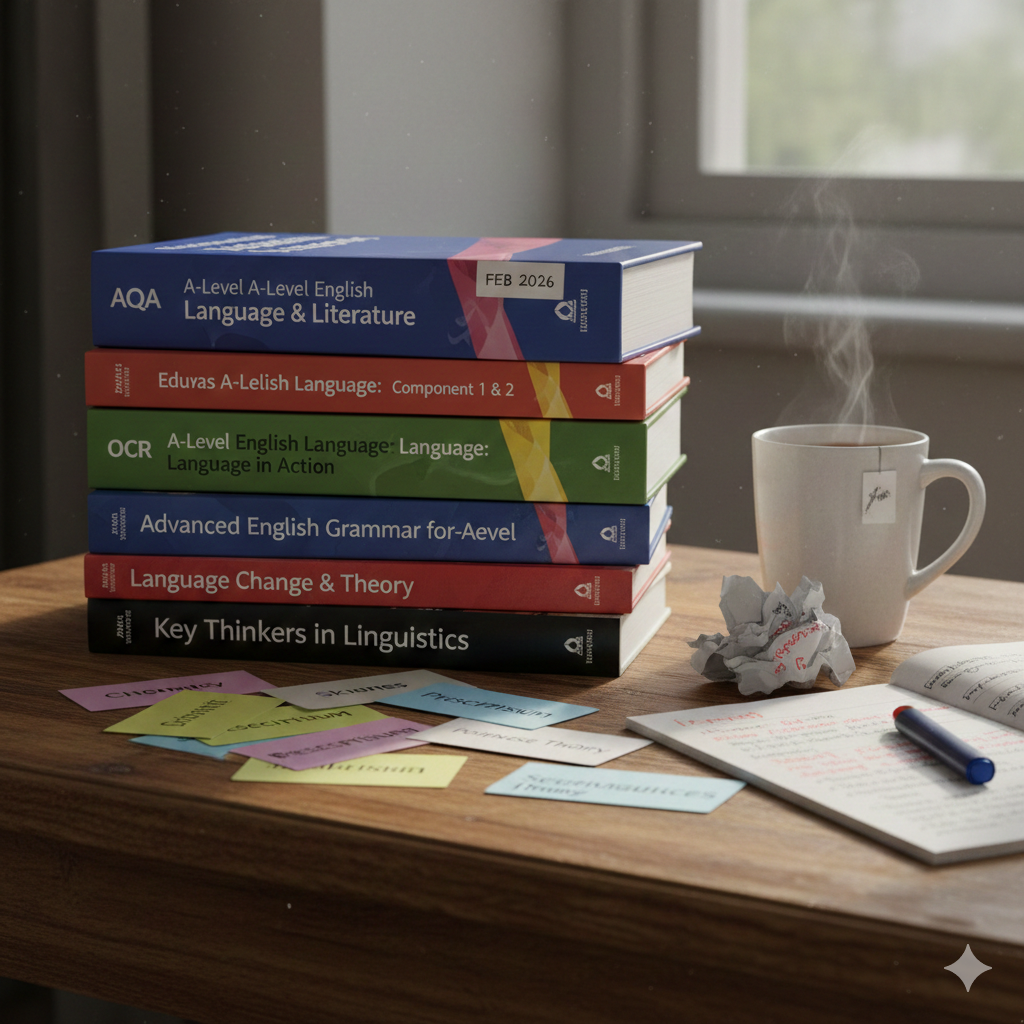
A-Level English Language focuses on how English works in real life. It is practical, analytical, and writing-oriented. Instead of studying novels and poetry, students examine speeches, advertisements, articles, conversations, and everyday communication.
You learn how language changes according to audience, purpose, tone, and context. You are trained to write with intention and analyse how others write.
What Students Study in A-Level English Language
- Text and discourse analysis
- Directed writing tasks
- Writing for different audiences and purposes
- Language changes over time
- Child language acquisition (Cambridge syllabus)
- Comparative language analysis
Who Should Choose A-Level English Language?
This subject suits students who:
- Enjoy writing articles, blogs, speeches, or opinion pieces
- Are observant about how people speak and write
- Prefer practical analysis over memorising content
- Are interested in media, journalism, marketing, or law
- Do not enjoy reading long novels or poetry collections
Benefits of Studying A-Level English Language
A-Level English Language builds skills that are highly practical and transferable to real-world communication.
- Exceptional Writing Skills: Students learn to write with clarity, purpose, and precision for different audiences.
- Strong Analytical Ability: You learn to break down speeches, articles, and texts to understand how meaning is constructed.
- Creativity with Structure: The subject trains you to be creative while still following a clear writing framework.
- Understanding of Real-World Communication: From advertisements to political speeches, you learn how language influences people.
- Career-Ready Skillset: Ideal foundation for journalism, media, marketing, content writing, law, and communication fields.
- Low Memorisation, High Application: Success depends more on skill than memorising content.
A-level English Language vs Literature: What is A-Level English Literature?

A-Level English Literature is centred on literary texts, novels, plays, and poetry. Students explore themes, characters, symbolism, context, and literary techniques in depth.
This is a reading-heavy, essay-based subject that requires you to remember quotes, references, and critical interpretations from the texts you study.
What Students Study in A-Level English Literature
- Shakespeare and drama texts
- Poetry analysis
- Prose and novels
- Literary criticism and interpretation
- Essay writing with textual evidence
Who Should Choose A-Level English Literature?
This subject suits students who:
- Love reading novels and poetry
- Enjoy discussing themes and character psychology
- Are good at memorising quotes and references
- Prefer structured essay writing
- Are interested in humanities, psychology, law, or teaching
Benefits of Studying A-Level English Literature
A-Level English Literature develops depth of thought, interpretation skills, and intellectual maturity.
- Deep Critical Thinking: Students learn to interpret themes, symbolism, and hidden meanings in texts.
- Advanced Essay Writing Skills: You master the art of structured, evidence-based argumentation.
- Enhanced Reading and Comprehension: Regular reading of complex texts improves focus and understanding.
- Cultural and Historical Awareness: Literature exposes you to different time periods, societies, and human experiences.
- Strong Foundation for Humanities and Law: Highly valued for subjects requiring interpretation and analysis.
- Intellectual Discipline: Memorising quotes and analysing texts trains memory and attention to detail.
Difference Between A-Level English Language and Literature Paper Pattern:
The paper pattern of A-level English Language vs Literature differs a lot. The table below explains the paper pattern of each very clearly:
| Component | English Language | English Literature |
| Paper Style | Text analysis + writing | Essay questions |
| Reading Material in Exam | Unseen texts | Set texts (novels/poems/plays) |
| Writing Tasks | Directed/creative | Analytical essays |
| Use of Quotes | Not required | Essential |
| Time Pressure | Writing speed | Thinking + structuring |
Key Differences Between A-Level English Language and Literature:
Below is a clear table for students to skim the key differences between A-level English Language and Literature:
| Factor | English Language | English Literature |
| Main Focus | Real-life use of language | Literary texts |
| Study Material | Articles, speeches, ads, conversations | Novels, plays, poetry |
| Skills Required | Writing, analysis, creativity | Reading, interpretation, essays |
| Memorisation | Very low | High (quotes & references) |
| Writing Style | Directed and creative writing | Analytical essays |
| Best For | Practical thinkers and writers | Deep readers and interpreters |
| Nature of Subject | Conceptual | Content-heavy |
Analysis: Which Subject is More Difficult?
This is one of the most searched questions related to A-Level English Language vs Literature.
The honest answer is: difficulty depends on your personality.
- Students who are weak in writing struggle in the English Language.
- Students who dislike reading struggle in English Literature.
Neither subject is harder by design. It depends entirely on whether the subject matches your strengths.
If you’re just starting your A-levels journey, you might find this guide, What are A-levels in Pakistan, useful and helpful.
Cambridge vs Edexcel: Is There a Difference?
The A-level English Language vs Literature differ in Edexcel vs Cambridge as well.
Both boards offer these subjects, but the approach can vary slightly.
- Cambridge English Language often includes topics like child language acquisition and language change.
- Edexcel may place more emphasis on comparative writing and analysis tasks.
- Literature texts and paper patterns can vary depending on the board.
However, the core difference between A-level English Language vs Literature remains the same across both boards.
Career Paths After A-Level English Language vs Literature:
The following career options students can pursue after A-levels.
| English Language | English Literature |
| Journalism | Law |
| Media & Communication | Psychology |
| Marketing & Advertising | Teaching |
| Content Writing | Civil Services |
| Linguistics | Research & Academia |
Both subjects are valuable, but they lead to slightly different skill sets.
Mistakes Students Make While Choosing Between the Two
Many students choose the wrong subject because they:
- Follow what their friends are choosing
- Assume both subjects are similar
- Do not check the paper pattern before enrolling
- Ignore their own strengths and interests
- Think Literature sounds more “academic.”
This leads to frustration later in the year. Maintaining good time management during A-Level study is crucial too. Check out our blog on “Craft an A-level Study Plan to Boost Your A-level Grades” to help with that.
How to Decide Which One is Right for You
Ask yourself these questions honestly:
- Do I enjoy reading novels and poetry?
- Do I enjoy writing articles and opinions?
- Do I dislike memorising quotes?
- Do I find analysing advertisements and speeches interesting?
- Am I more comfortable expressing my ideas in writing or analysing texts?
If you prefer writing and practical analysis → English Language
If you prefer reading and deep interpretation → English Literature
Can You Take Both A-Level English Language and Literature?
Yes, students can take both subjects. However, this requires strong reading and writing ability, along with good time management. Only students who genuinely enjoy English as a subject should consider taking both.
How the Right Guidance Helps Students Choose Correctly
Many students are capable of scoring an A* in either subject, but fail because they picked the wrong one.
Getting guidance from experienced A-Level tutors can help you:
- Understand the paper pattern before choosing
- Identify your strengths through assessment
- Get clarity on what each subject demands
- Make a confident and informed decision
Need Expert Guidance?
If you’re unsure which subject fits you best or how to plan your A-Level strategy overall, consider guidance from expert O/A-Level tutors. VACE Global provides personalised tutoring and counselling to help students choose the right subjects, develop stronger study habits, and excel academically.
Book your free demo class today, and be satisfied with the best teachers of VACE Global. Enroll Today!
Conclusion
There is no “better” subject between A-Level English Language vs Literature; only the one that is better for you.
Choosing wisely can make your A-Level journey smoother, more enjoyable, and more successful. Take time to understand what each subject demands, assess your strengths honestly, and seek guidance if needed.
A thoughtful decision today can save you from a year of struggle tomorrow.
Frequently Asked Questions
- Is A-Level English Language easier than Literature?
It depends on whether you are better at writing or reading. - Which A-Level English subject is better for law?
Both are useful, but Literature helps more with critical interpretation, while Language helps with argumentation and writing. - Do universities prefer Literature over Language?
No. Universities value both equally. - Can I score an A in A-Level English Language without reading novels?*
Yes. The English Language does not require studying novels. - Which subject requires more memorisation?
English Literature requires significantly more memorisation.