
For years, students have aspired to pursue higher education and academic excellence. While ambition and hard work are essential for success, they often come with a hidden cost: academic pressure. From high expectations and competitive exams to parental and societal demands, students today face immense pressure that can affect both their physical and psychological well-being.
With advancement in education industry, academic pressure is an element that has remained constant for years in the education industry. Academic pressure is not just the only element that students face; there are many other factors, such as exam overload, that has been playing their parts in the educational industry.
Understanding academic pressure and learning how to manage it effectively is crucial for students, parents, and educational institutions alike.
This blog will help you understand what academic pressure is, its causes, and how parents and institutions can support students in overcoming it.
What is Academic Pressure?
Academic pressure refers to the stress, unease, and emotional strain students experience due to external demands and expectations within the learning process.
From the beginning of their academic journey, children are expected to perform exceptionally. This pressure is built by parents, peers, and institutions. This pattern of constantly putting students under pressure to give their best performance can create stress and tension, which is what academic pressure is.
Parents emphasize a lot on the importance of grades, which creates constant stress on the child to perform exceptionally.
Teachers in schools set high expectations for students and create competition among students in a classroom. This builds pressure among each student to become a favourite of their teacher and outperform other classmates.
In schools that set a competitive environment, students often find themselves under academic pressure to give their best.
Key stats of academic pressure in Pakistan:
Researchers have been learning and studying academic pressure for a decade now. Researchers from all around the world have contributed to this subject. Different researchers have studied different regions of the world, learning and analyzing the ratio of academic pressure and its causes and effects.
Some studies regarding academic pressure in Pakistan are below:
1. High prevalence of stress among university students
In a study of students in Sialkot, 84.4% reported experiencing significant stress, while 88.4% experienced anxiety and 75% showed symptoms of depression, indicating a strong link between academic stress and mental health issues. PubMed
2. The majority of students report significant academic stress
At Superior University, 79% of students reported high levels of academic stress, and *72% reported moderate to poor mental health due to pressure. Superior Journal of Physical Therapy
3. Gender differences in academic stress experience:
In a recent survey of 500 university students across multiple Pakistani universities, 60% reported depression symptoms and 45% reported anxiety, with female students showing higher levels of academic stress (65%) compared to male students (45%). Irjei
4. Stress is linked to poor academic performance
Research in Khyber Pakhtunkhwa found that academic stress was significantly negatively correlated with student achievement, particularly noting higher stress levels in public-sector institutions. Assa Journal
5. Academic stress is common in specialized programs
Other studies show extremely high prevalence of depressive symptoms among postgraduate and medical students in Pakistan due to academic pressures, with stress rates as high as 98% in some small samples. ijssbulletin.com
What causes Academic Pressure song students?
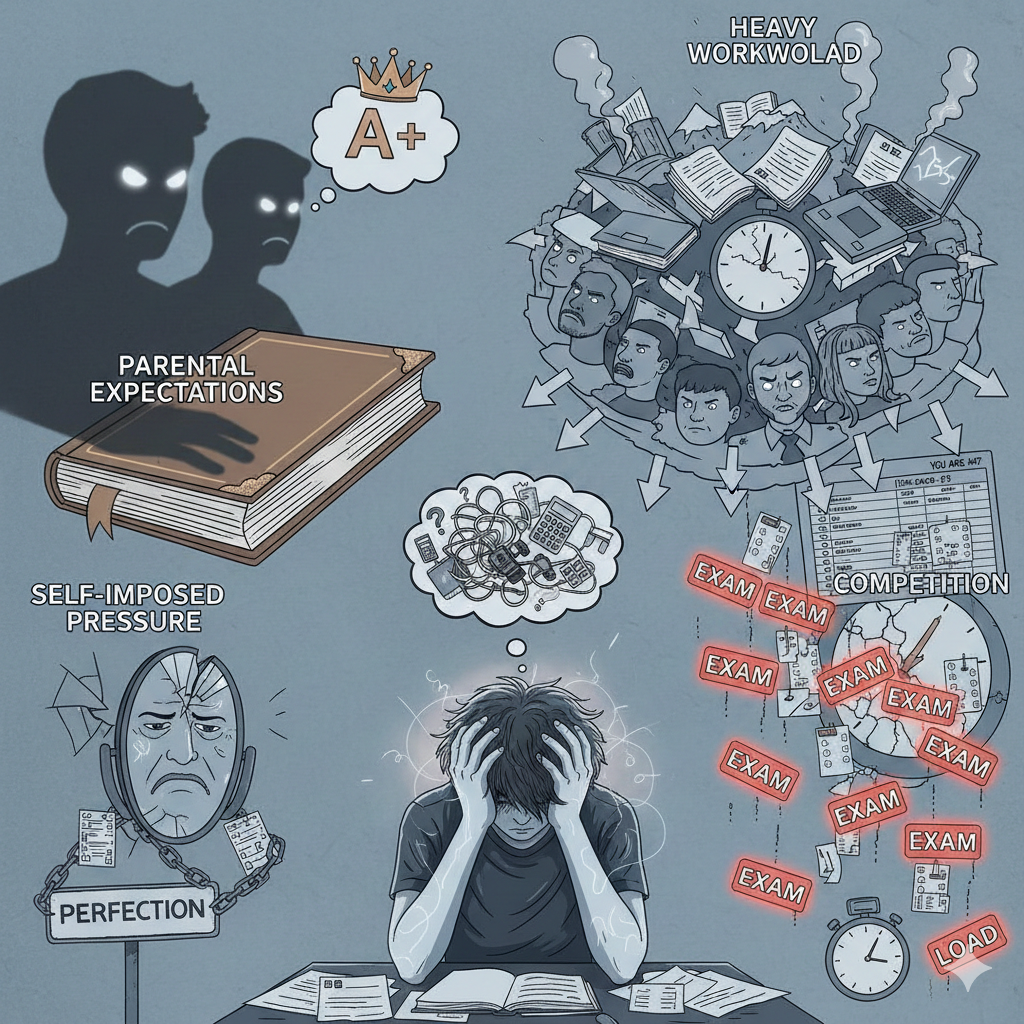
- Parental expectations: Parental expectations play a major role in increasing academic stress. Many parents place strong emphasis on high grades and outstanding achievements, which can make students feel inadequate or overwhelmed. As a result, students may believe their self-worth depends on meeting these expectations. The ongoing fear of disappointing their parents often intensifies academic anxiety.
- Self-imposed pressure: Self-imposed pressure is another major factor that affects students’ mental well-being. Many students set excessively high or unrealistic goals, believing that perfection is essential for success. This way of thinking often leads to academic burnout and declining mental health. While the fear of failure pushes students to work harder, it can ultimately become counterproductive. Over time, students may feel stuck in a continuous cycle of stress and anxiety, which negatively affects their motivation and performance.
- Peer competition: Peer competition strongly influences how students view their own abilities. Constant comparison with classmates often creates pressure to outperform others. When surrounded by high-achieving peers, students may develop feelings of insecurity and self-doubt. This environment can significantly increase academic stress levels and, in some cases, encourage unhealthy behaviors such as excessive studying or even cheating.
- Heavy workload: A heavy academic workload is a major source of stress for students. Managing multiple subjects, assignments, homework, and deadlines at the same time can feel overwhelming. When students are expected to handle large volumes of work with limited time, it often leads to exhaustion and mental fatigue. This constant pressure can reduce focus, lower productivity, and increase the risk of academic burnout.
- Exam load: A high frequency of exam overload adds significant pressure to students’ academic lives. Continuous testing, surprise quizzes, and high-stakes examinations leave little time for proper preparation or recovery. The fear of poor performance and the weight exams carry in determining final grades can intensify anxiety. Over time, repeated exam stress can negatively affect students’ confidence, well-being, and overall academic performance.
Signs that a student is suffering from academic pressure:
Recognizing the signs of academic pressure early can help parents, teachers, and students take timely action to manage stress effectively. Academic pressure often affects students mentally, physically, and behaviorally. Some common signs include:
1. Emotional Signs
- Anxiety and irritability: Students may appear restless, worried, or easily frustrated.
- Mood swings: Sudden mood changes, from excitement to sadness, can indicate stress.
- Loss of motivation: A student who once enjoyed studying may show disinterest or reluctance to complete tasks.
2. Physical Signs
- Frequent fatigue: Feeling constantly tired, even after adequate rest.
- Headaches or stomach aches: Stress can manifest in physical discomfort, especially during exam periods.
- Sleep disturbances: Difficulty falling asleep, insomnia, or irregular sleep patterns are common.
3. Behavioral Signs
- Avoidance or absenteeism: Students may skip classes, delay homework, or avoid studying altogether.
- Procrastination and poor time management: Overwhelm may cause students to postpone tasks or struggle to focus.
- Unhealthy coping behaviors: Excessive studying without breaks, neglecting meals, or even engaging in dishonest practices like cheating.
By observing these signs, parents and educators can provide the necessary support and interventions to help students manage academic pressure and maintain both their mental and physical well-being.
Effects of academic pressure:
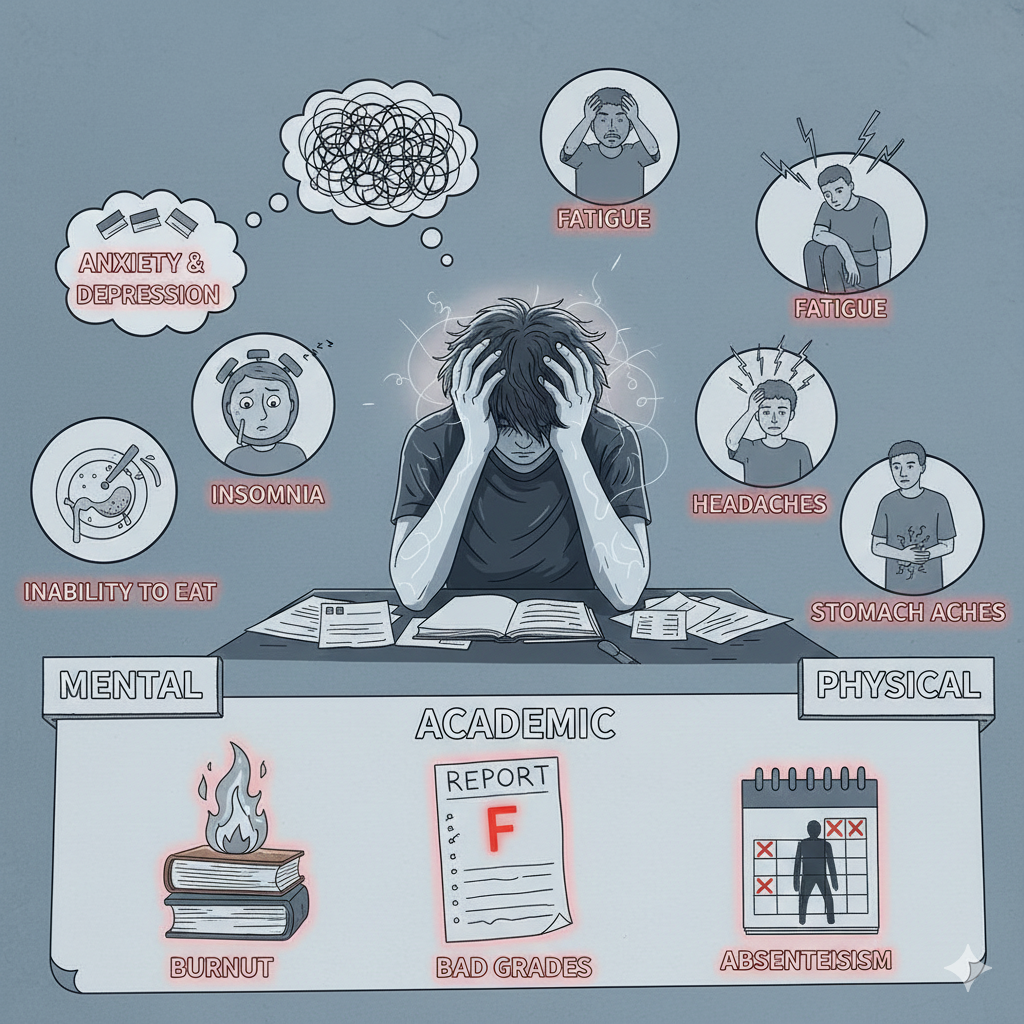
Academic pressure affects students not just academically but in different other ways that are not clearly visible:
Mental:
- Anxiety and depression: Prolonged academic pressure can trigger constant worry, fear of failure, and feelings of helplessness. Over time, this stress may develop into anxiety disorders or depression, affecting a student’s emotional stability, confidence, and ability to cope with academic challenges.
- Insomnia: Stress related to studies and exams often disrupts sleep patterns. Students may struggle to fall asleep or experience restless nights due to overthinking and academic worries. Lack of proper sleep further reduces concentration and increases irritability.
- Inability to eat: High stress levels can suppress appetite or lead to irregular eating habits. Some students skip meals due to anxiety, while others lose interest in food altogether, which negatively impacts their energy levels and overall health.
Physical:
- Fatigue: Constant mental pressure and long study hours can leave students feeling physically drained. Persistent tiredness reduces productivity and makes it difficult to stay focused during classes or study sessions.
- Headaches: Stress-induced tension often results in frequent headaches or migraines. These headaches can interfere with daily activities and further reduce a student’s ability to concentrate on academics.
- Stomach aches: Academic stress can also affect the digestive system, causing stomach pain, nausea, or discomfort. These symptoms are common during exam periods and may worsen with prolonged anxiety.
Academic
- Burnout: Continuous pressure without adequate breaks can lead to academic burnout. Students may feel emotionally exhausted, lose interest in their studies, and struggle to stay motivated.
- Bad grades: Ironically, excessive pressure can lower academic performance. Stress affects memory, focus, and exam performance, often resulting in grades that do not reflect a student’s true potential.
- Absenteeism: Students experiencing high levels of stress may start avoiding school or classes altogether. Frequent absences can further impact academic progress and deepen feelings of anxiety and disengagement.
Coping strategies:
Academic pressure is a common challenge for students, but it does not have to be overwhelming. With the right approach, students can learn to manage stress effectively while maintaining their academic performance and overall well-being. Adopting healthy coping strategies helps students regain control, build resilience, and develop a more positive relationship with their studies. The following strategies can play a key role in reducing academic stress and promoting long-term success.
- Balance: Maintaining a healthy balance between academics and personal life is essential for managing academic pressure. Students should make time for rest, hobbies, physical activity, and social interaction alongside their studies. A balanced routine helps prevent burnout and supports both mental and emotional well-being.
- Study schedule: Creating a realistic and flexible study schedule can significantly reduce stress. Breaking the syllabus into manageable tasks and setting achievable daily goals helps students stay organized and in control. A well-planned schedule also prevents last-minute cramming and improves overall learning efficiency.
- Support: Seeking support from parents, teachers, tutors, or friends can make a big difference. Open communication allows students to express their concerns and gain guidance or reassurance. Academic and emotional support helps students feel understood and less isolated during stressful periods.
- Mindfulness: Practicing mindfulness techniques such as deep breathing, meditation, or short relaxation exercises can help calm the mind. These practices reduce anxiety, improve focus, and enable students to approach academic challenges with a clearer and more positive mindset.
- Time Management: Effective time management helps students prioritize tasks and avoid feeling overwhelmed. Learning to set priorities, eliminate distractions, and allocate time wisely allows students to work more efficiently while still making room for rest and self-care.
Best practices that institutions can implement to help students:
Educational institutions play a crucial role in reducing academic stress among students. They can implement strategies such as offering personalized academic guidance, maintaining a balanced curriculum, providing mental health support, and encouraging a healthy learning environment. Regular counseling sessions, flexible assessment methods, and workshops on stress management can also help students cope effectively. By proactively addressing academic pressure, institutions can promote both learning and well-being.
At VACE Global, we understand that every student learns at their own pace. Our approach emphasizes personalized guidance, ensuring students progress comfortably without feeling overwhelmed. Our expert teachers focus on concept clarity and adopt a slow, structured teaching pace tailored to each student’s needs. This method not only reduces academic stress but also builds confidence and mastery in subjects. If you want your child to experience pressure-free learning with expert teachers, enroll now with VACE Global and give them the support they deserve.
Conclusion:
Academic pressure is a reality that many students face, especially in competitive education systems like Pakistan’s. While academic goals are important, mental health and emotional well-being should never be compromised. With the right coping strategies, supportive families, and responsible institutions, students can learn to manage pressure effectively and achieve success in a healthy, sustainable way.
FAQs:
1. Is academic pressure normal for students?
Yes, some level of academic pressure is normal, but excessive pressure can be harmful and should be addressed.
2. How can parents help reduce academic pressure?
Parents can offer emotional support, avoid comparisons, set realistic expectations, and encourage open communication.
3. Can academic pressure affect physical health?
Yes, prolonged stress can lead to headaches, sleep problems, fatigue, and weakened immunity.
4. When should professional help be considered?
If a student shows persistent anxiety, depression, or behavioral changes, seeking help from a counselor or mental health professional is recommended.
5. How can online tutoring help with academic pressure?
Personalized online tutoring can reduce pressure by offering flexible schedules, targeted support, and confidence-building guidance.